Many people assume nail polish is either completely good or completely bad for their nails. The reality is somewhere in the middle.
Nail polish can help protect your nails from everyday wear, but only when it is applied, maintained, and removed properly. Understanding what polish can and cannot do will help you keep your natural nails looking their best.
At Vidao Nails & Day Spa in Houston, we often hear questions about whether nail polish strengthens nails or causes damage. Here’s what you should know.
Does Nail Polish Protect Your Nails?
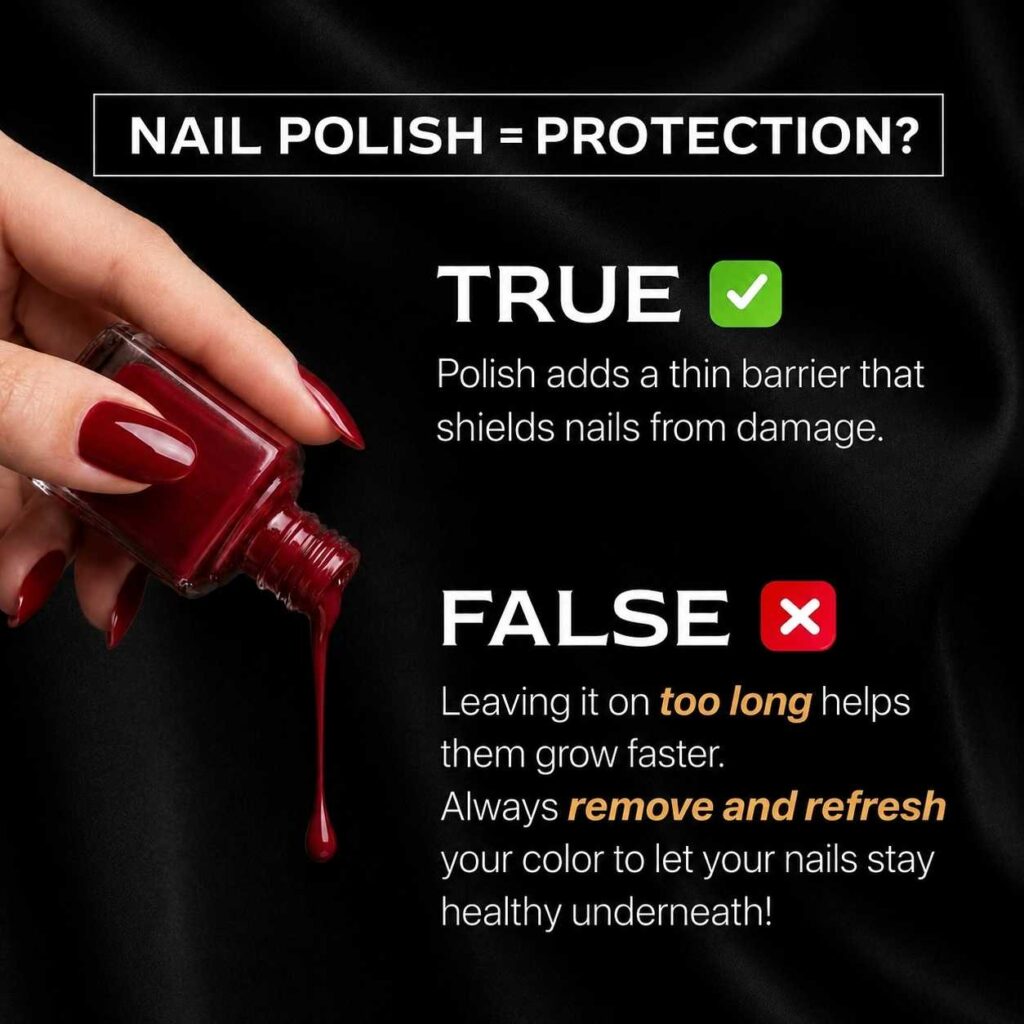
Yes, nail polish can provide a protective barrier for your natural nails.
When applied correctly, polish creates a thin coating over the nail plate that helps reduce everyday friction and minor surface damage. While it doesn’t make nails healthier from the inside, it can help shield them from some external stress.
1. It Creates a Physical Barrier
Polish forms a smooth layer over the nail surface.
This coating can help reduce minor scratches and everyday wear from activities like typing, cleaning, and household tasks. It may also help prevent nails from snagging on fabrics or rough surfaces.
2. It Helps Limit Water Exposure
Nails naturally absorb water and then release it as they dry.
Frequent swelling and shrinking from repeated water exposure can contribute to peeling and splitting over time. A properly applied polish system may help reduce these moisture fluctuations.
3. It Can Reduce Minor Breakage
Polished nails often have a smoother surface.
Because there are fewer rough edges, nails may be less likely to catch on clothing, hair, or other materials that can lead to small tears and splits.
Does Nail Polish Make Nails Stronger?
No, nail polish does not actually strengthen the nail itself.
Natural nails are made of keratin, and polish sits on top of the nail rather than becoming part of it. While polish can help protect nails from some external damage, it does not permanently improve nail strength or thickness.
If your nails are weak, brittle, or peeling, proper nail care habits and gentle maintenance are usually more important than the polish itself.
Can Wearing Nail Polish Too Long Cause Problems?
Yes, leaving polish on for too long can make it harder to spot potential nail issues.
While polish itself is not necessarily harmful, chipped, lifting, or heavily worn polish can create areas where moisture may collect. It can also hide discoloration or nail changes that should be noticed early.
Signs It’s Time for a Polish Change
- Chipping around the edges
- Visible lifting
- Dull or worn color
- Surface cracking
- Noticeable nail discoloration underneath
Refreshing your manicure regularly helps keep both your polish and natural nails looking their best.
How Long Should Nail Polish Stay On?
Regular nail polish is generally best refreshed every 7 to 14 days.
Over time, polish naturally begins to wear down, chip, and lose its protective qualities. Regular maintenance also gives you an opportunity to inspect your nails for any signs of damage.
Gel polish typically lasts between 2 and 3 weeks before professional removal is recommended.
Can Nail Polish Cause Yellow Nails?
Yes, some nail polishes can stain the nail surface.
Dark colors, highly pigmented shades, and long-term wear without a base coat are common causes of yellowing. The discoloration is usually cosmetic and often grows out with the nail.
Using a quality base coat can help reduce the risk of staining.
What Is the Best Way to Wear Nail Polish Safely?
Proper application and removal are just as important as the polish itself.
Following a few simple habits can help you enjoy beautiful nails while minimizing unnecessary damage.
1. Always Use a Base Coat
A base coat creates a protective layer between your natural nail and the polish.
It helps improve adhesion, extends wear time, and reduces the risk of staining.
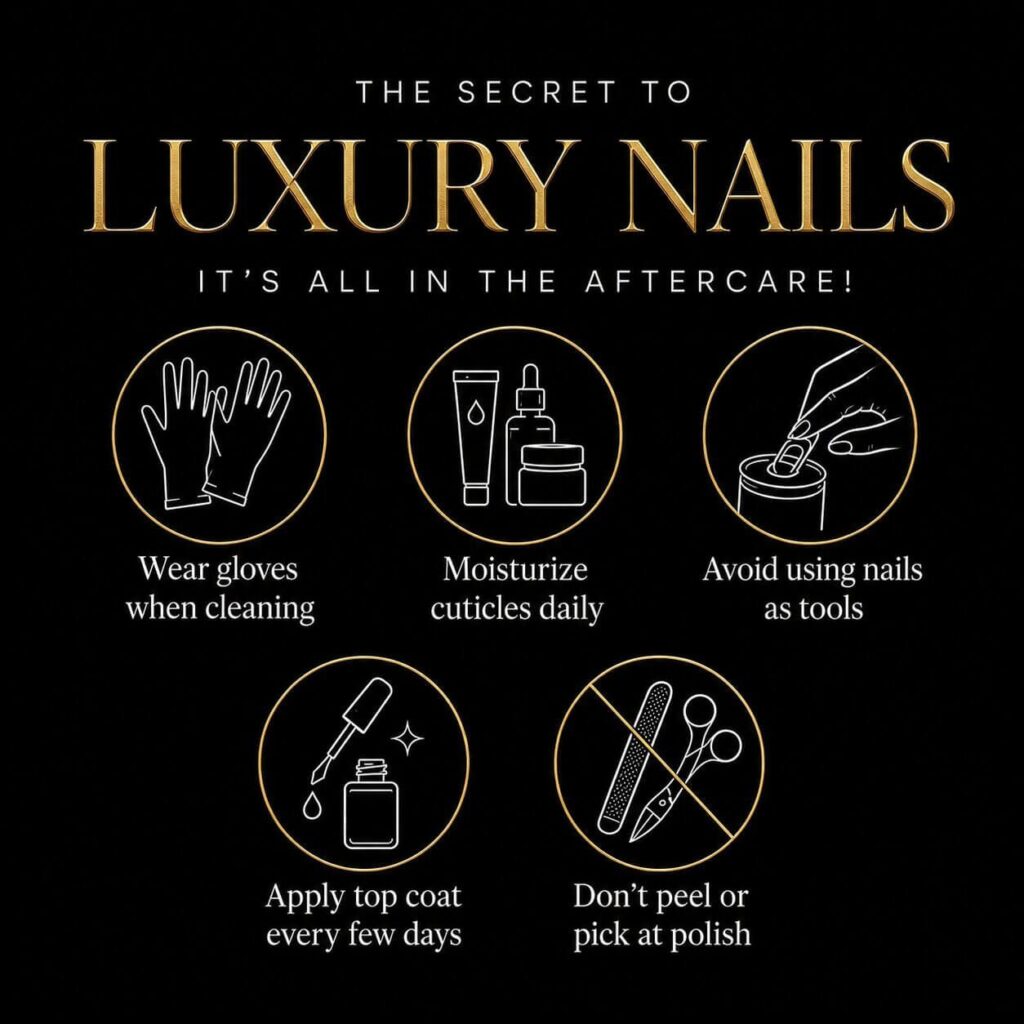
2. Remove Polish Gently
Gentle removal helps preserve the integrity of the nail surface.
Avoid peeling, scraping, or picking at polish. These habits can remove layers from the nail plate and increase the risk of thinning and peeling.
For regular polish, acetone-free removers can be a less drying option. Gel polish should be removed properly with acetone-based removal methods or by a trained nail professional.
3. Keep Nails and Cuticles Hydrated
Healthy-looking nails benefit from regular moisture.
Applying cuticle oil and hand cream daily can help improve flexibility and reduce dryness around the nail area.
4. Pay Attention to Nail Changes
Your natural nails can provide clues about their overall condition.
If you notice unusual discoloration, persistent peeling, significant thinning, or discomfort, it may be time to pause cosmetic services and seek professional advice.
Signs Your Nail Routine May Need Adjustment
Certain changes may indicate that your current nail routine is too harsh.
Watch for:
- Excessive peeling
- Increased brittleness
- Persistent yellow staining
- Thin or weakened nails
- Frequent breakage
- Rough or uneven nail surfaces
In many cases, gentle removal techniques, improved hydration, and regular professional maintenance can help improve nail appearance over time.
The Bottom Line
Nail polish can help protect your nails from everyday wear, but it is not a treatment for weak nails and it does not permanently strengthen them.
The healthiest approach is regular maintenance, proper removal, quality products, and good hydration habits. When used correctly, nail polish can be part of a nail care routine that keeps your manicure looking beautiful while supporting the appearance of healthy natural nails.
📞 Call to book: (713) 451-9553
📍 Location: 14620 Woodforest Blvd, Houston, TX 77015
Schedule your next manicure at Vidao Nails & Day Spa and enjoy beautiful color with professional nail care.